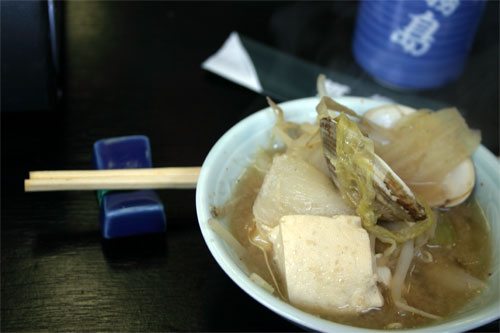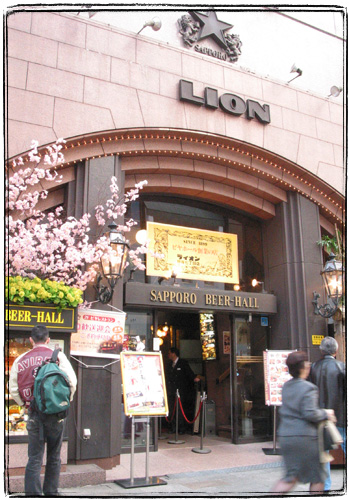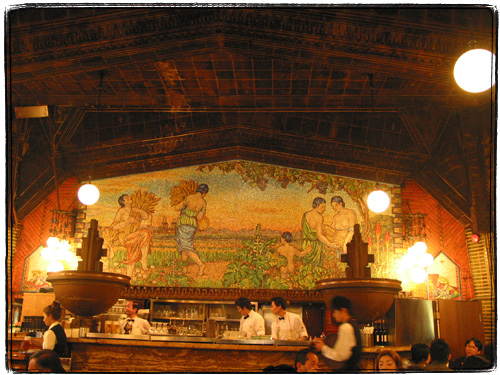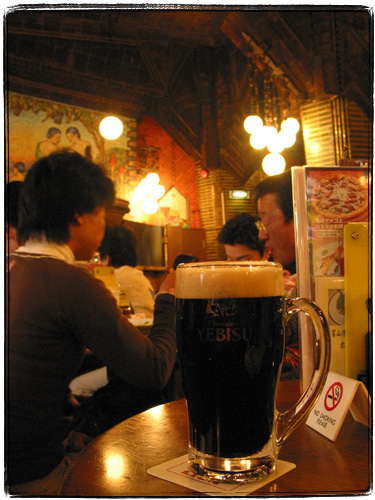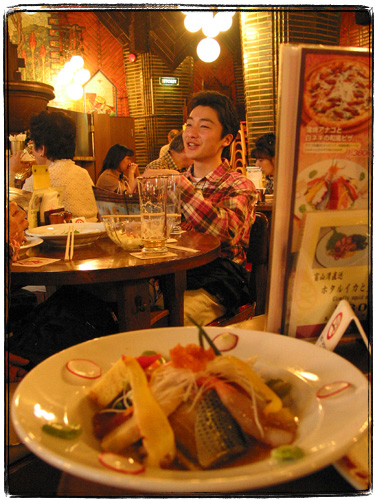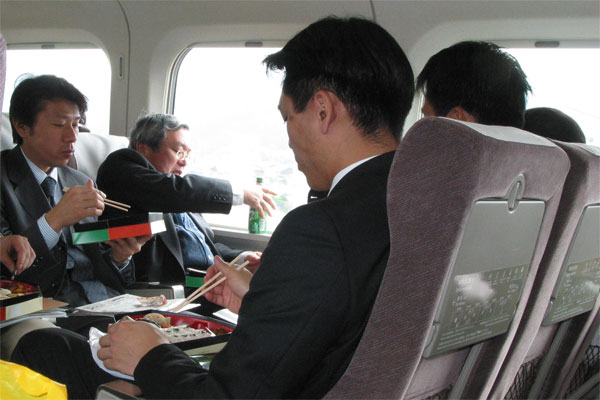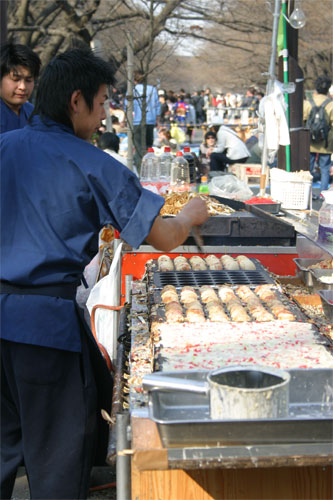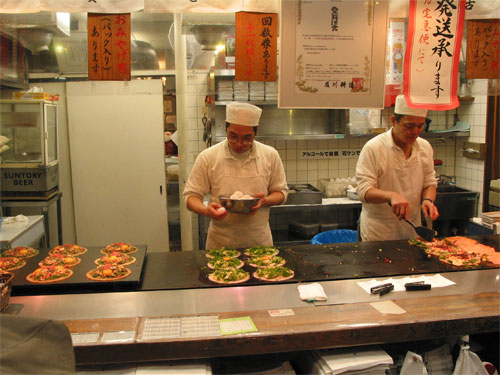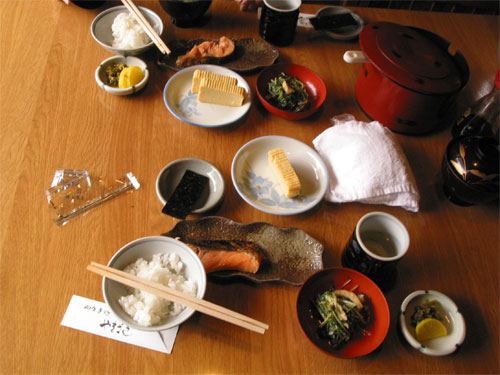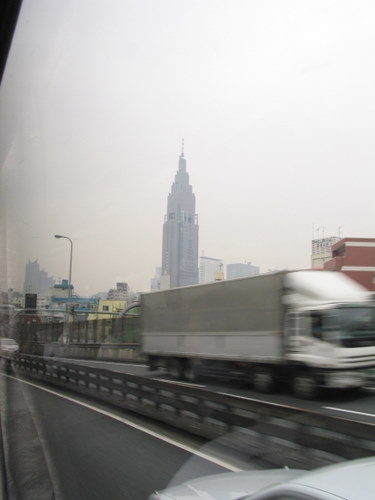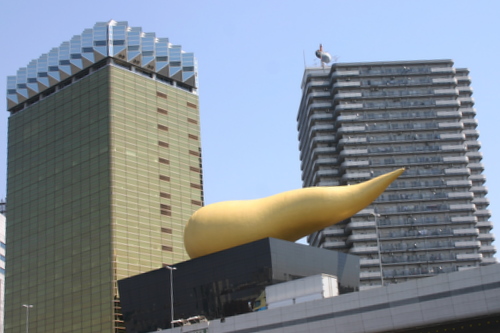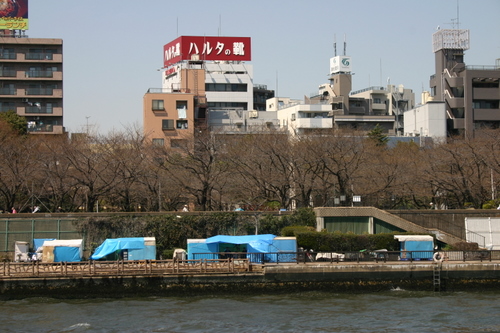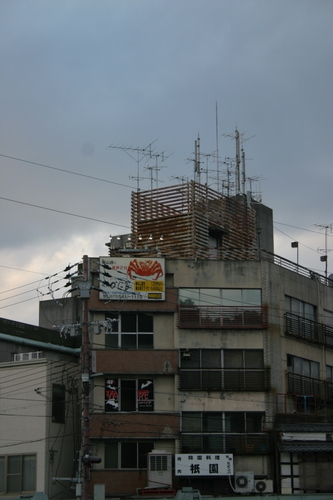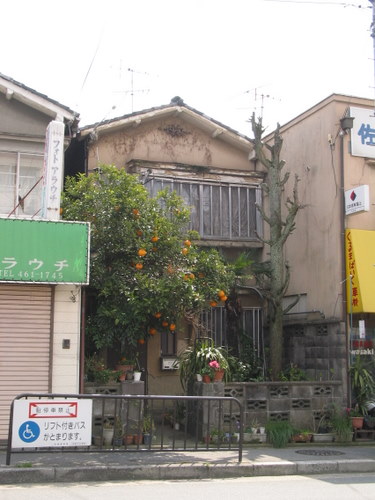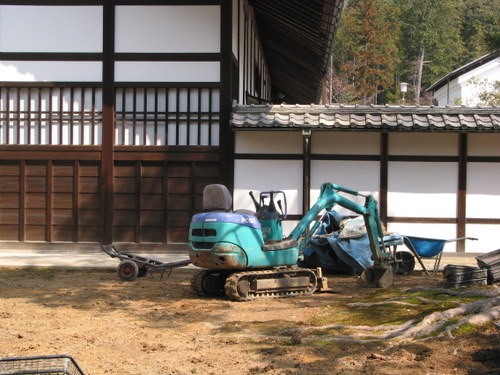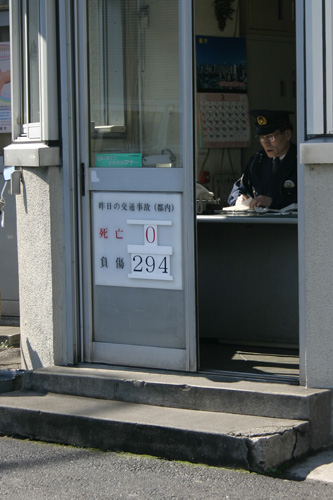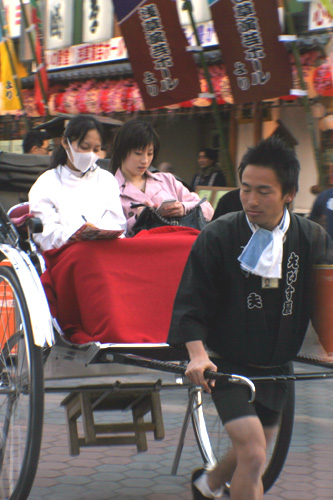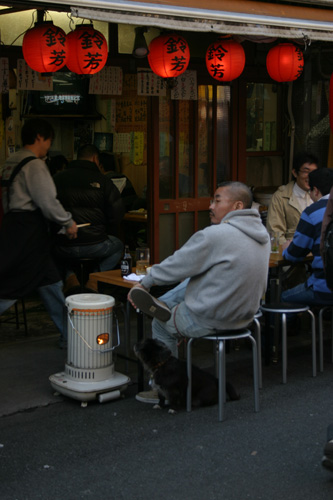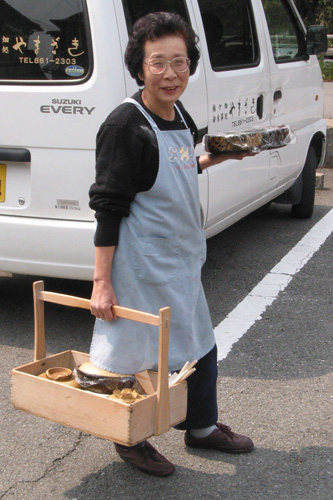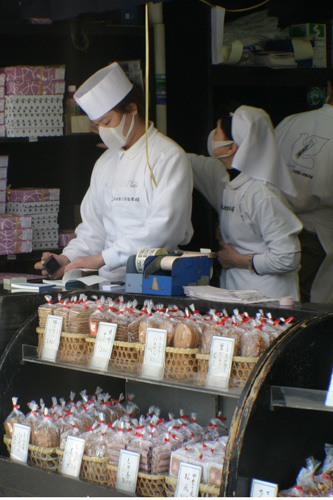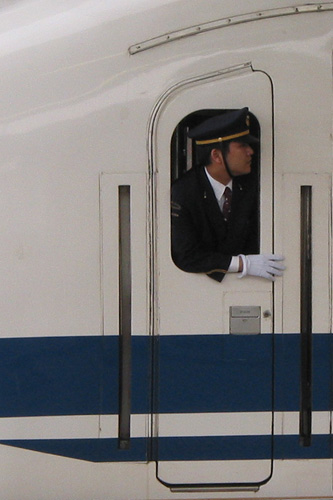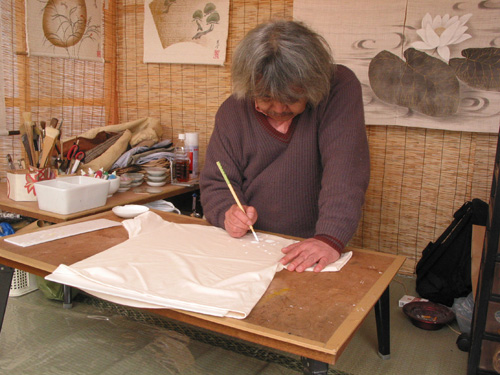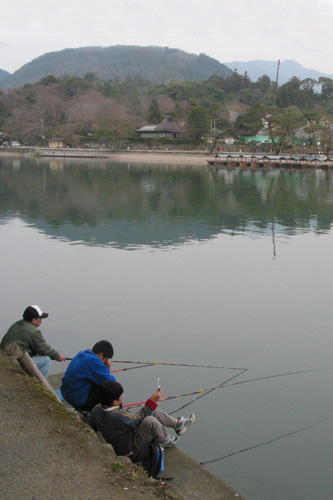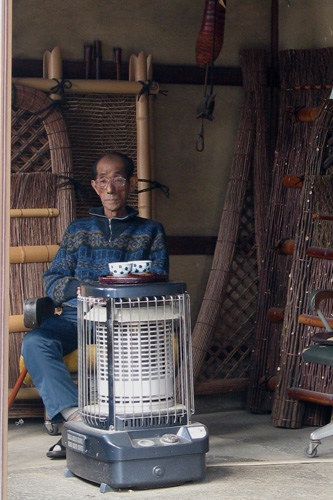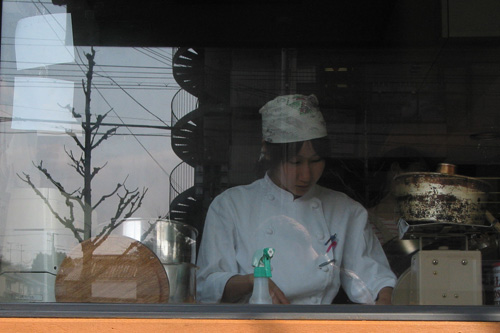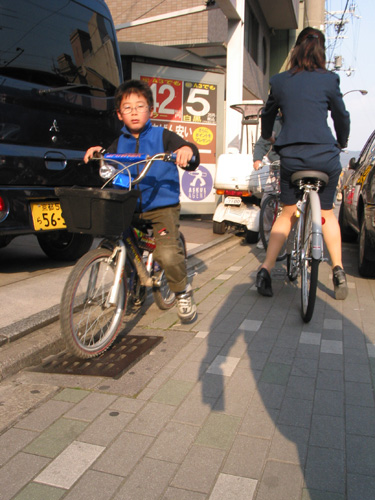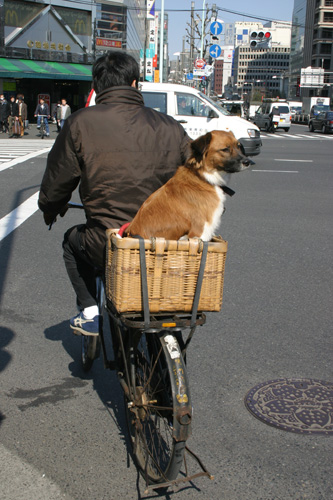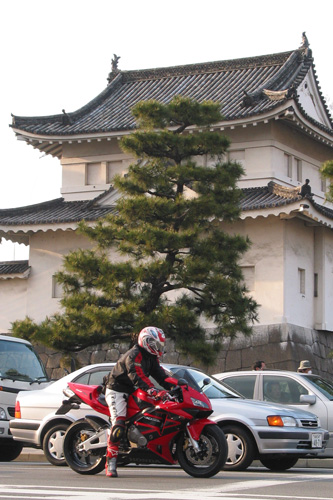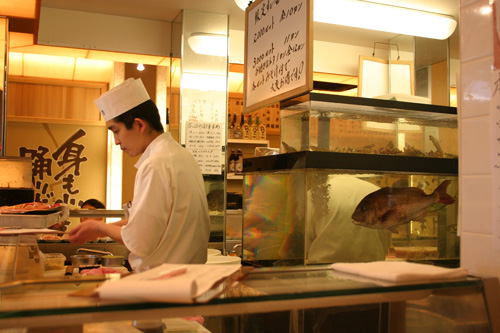
Japan

The Capacitor Plague

I woke up from a nap to a loud pop and a smell of burning plastic. The source turned out to be one of the most precious and important to me digital devices: a ReadyNAS NV+, a small silver box with over a terabyte of hard drives that store my backups, music, and photos.

Network attached storage (NAS) is an engineering compromise. It's a storage solution that lets you keep a bunch of drives in a self-contained device. It's redundant: you can lose a drive (which is a statistical certainty) and not lose your data. There are also handy usb ports that let you connect usb drives and a button to run backup jobs onto these drives. It also serves as a print server, and in theory it can be used as a streaming media server. On the other hand it's slow (gigabit networks are not fast enough when you need gigs of data fast), a complete nightmare to use with photo managers like Picasa, and an even worse nightmare if you want to use it as a Time Capsule.

I've spent a lot of time babysitting my ReadyNAS NV+: changing the defective RAM that it shipped with, updating the buggy firmware, finding the right drives for it (some don't have the right temperature sensors). Don't get me started on what it took to make it work with Mac's Time Machine.

And after all that, the one box that was supposed to keep my precious digital archives safe was smoking. This was preceeded by a few days of weird performance issues and a couple of hangs. The power supply finally died a horrible death, and I realized that once again I was falling victim (or "mugu" as Nigerians say) to faulty capacitors.

According to Wikipedia, the name of this phenomenon is "Capacitor Plague". There is an epidemic of failure in electrolytic capacitors from certain shady manufacturers. Electrolytic capacitors are usually found in power supplies. They are little aluminum cylinders filled with special film and electrolytic liquid or gel. Power supplies get very hot, and the liquid part of the capacitors, the electrolyte, always wants to either dry up or explode. The formula for the electrolyte is very hard to get right.

The rumor is that one or a few companies resorted to industrial espionage to steal electrolyte formulations. They weren't entirely successful - they either got an incomplete formula or just plain Brawndo.

Spectrum Online did some digging:

"According to the source, a scientist stole the formula for an electrolyte from his employer in Japan and began using it himself at the Chinese branch of a Taiwanese electrolyte manufacturer. He or his colleagues then sold the formula to an electrolyte maker in Taiwan, which began producing it for Taiwanese and possibly other capacitor firms. Unfortunately, the formula as sold was incomplete.
"It didn't have the right additives," says Dennis Zogbi, publisher of Passive Component Industry magazine (Cary, N.C.), which broke the story last fall. According to Zogbi's sources, the capacitors made from the formula become unstable when charged, generating hydrogen gas, bursting, and letting the electrolyte leak onto the circuit board. Zogbi cites tests by Japanese manufacturers that indicate the capacitor's lifetimes are half or less of the 4000 hours of continuous ripple current they are rated for."

Wastefulness of today's society masks the problem: most people don't perform autopsies on their dead $70 DVD players or $500 computers, they just use that as an excuse to buy the new hottness. The techies with (or without) spare time and soldering skills do the following: fill bulleten boards with tales of saving their devices by soldering in new capacitors; search for instructions on how to solder and purchase capacitors; and curse creatively after doing it for the 5th time.

The unique thing about the capacitor plague is how easy it is to identify: the capacitors literally blow their tops, venting electrolyte through the special stress relief indentations. It's also unique in that anybody with a soldering iron has a very good chance of fixing it: the caps are easy to locate and solder. In the age when most electronic components are of the "surface mount" type (the size of a sesame seed) or chips with dozens legs as fine as silk, soldering in a two legged capacitor is very refreshing.

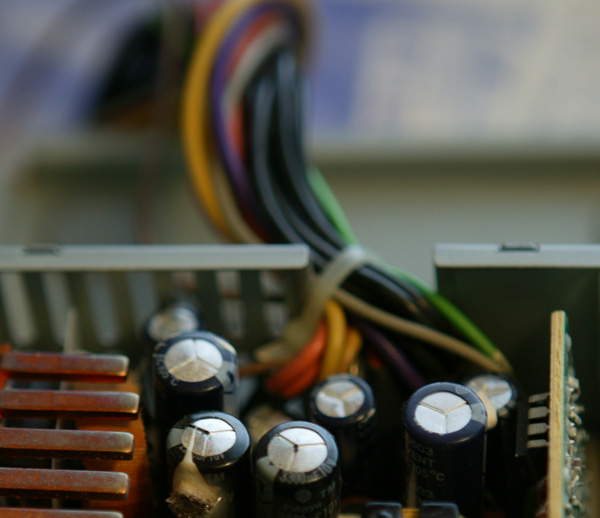
Here's a nest of capacitors from my busted power supply: two in the left corner are clearly popped, the one on the right is probably ok:
In the last couple of years the following devices that I own fell prey to faulty caps: a cheap off-brand dvd player, a speed control on my Dodge Caravan's air conditioner, a Netgear network hub, a huge and expensive Air King window fan, and now, my ReadyNAS. The interesting thing is that the problem exists in both high end and low end products, as well as in high tech and low tech ones (I did not know there were electronic components in the window fan).

I am out of warranty on my ReadyNAS because I bought it in May of 07. The following passage leads me to believe that the shitty capacitors are a problem that they are aware of and (maybe) fixed in newer releases of the hardware (they could not offer a 5 year warranty if they used the same capacitors - they'd just go broke).

"Please be aware that ReadyNAS purchased prior to August 21, 2007 carries a one-year limited warranty. Extended warranty purchased for these ReadyNAS will be honored by NETGEAR. ReadyNAS NV+ and 1100 purchased August 21, 2007 and later have a 5-year limited warranty, and the ReadyNAS Duo has a 3-year warranty."

The brand name of the popped capacitors reads "Fuhjyyu". It lead me to the an urban dictionary entry that says that Fuhjyyu is either

"1) Chinese word for feces.

or

(2) Brand name of abysmal quality capacitors that are installed on logic boards, switching power supplies and various other electronic components."

There's also a post from a guy who implores ReadyNas to stop using those capacitors.

Then there's badcaps.net - a global capacitor gripefest that is too depressing to read.

You can see a nice gallery of busted caps over here

There are broader implications of this: coupled with the fragile lead free solder, leaky capacitors don't only cause kajillions of dollars of damage, but will also make electronics of our era impossible to use in the near future. The aluminum in burnable cds and dvds are rotting too, destroying the record of our time.

Deadprogrammer visits Odessa : Part I : Introduction

I live on a high floor of an art deco tower facing a busy Brooklyn street. The acoustics of the building and the street are such that I can sometimes hear what's going on in the street right from my desk. Once I heard the sounds of a minor fender bender followed by an angry exchange unpleasantness that was escalating into some creative Russian profanity. The driver who rammed the other car was pretty unapologetic and criticized the driving skills of the one who got rammed. Then followed the exchange that made me laugh out loud - the driver who got rammed said - "the way you behave, man, you must be from Odessa." "Yes, I am," - answered the other guy, and added - "and you still drive like a moron."

Odessa, Ukraine, my hometown, is a very special place. It has a Bizarro mirror twin, Odessa, Texas.

Odessa is a resort town situated on the shore of the Black Sea, right across from Turkey. Culturally it's a bit like Brooklyn (or Brooklyn is a bit like Odessa because of an almost constant infusion of Odessans) - a city with an attitude, a city where a lot of famous people are born and famous people come to live. Architecturally it's a lot like Vienna and St. Petersburg: a city built on a grand scale (but with softer edges), by the best architects.

Odessa's ancient past is obscure: a Greek colony, a small town controlled by Kievan Rus, the Golden Horde, various Khanates and Kaganates, and finally a Turkish fortress. Odessa's fortunes have turned when Russian forces invaded it in late 1700s. Catherine the Great apparently wanted to fortify the newly won land, and committed the people and resources needed to make the new city of Odessa a success.

The founding fathers of Odessa were a bunch of distinguished foreigners in the service of the Russian crown: General José Pascual Domingo de Ribas y Boyons, Armand Emmanuel Sophie Septemanie du Plessis, duc de Richelieu, and Count Louis Alexandre Andrault de Langéron.

Richelieu, or the Duc, as he's commonly known in Odessa, will forever be loved by Odessans for his accomplishments. The way I imagine the Duc is sort of like the 18th century Steve Jobs, with a reality distortion field of his own, except without being an asshole (Richelieu was known for his kindness and indifference to money). Somehow - nobody know exactly how - Richelieu got Odessa the status of a "free port". This meant that goods could be unloaded without paying the taxes within the city limit. This brought about an unprecedented influx of wealth, which in turn fueled the building of Odessa by the best European architects in the European manner. Odessa's opera theater is only slightly smaller than Vienna's, and is by the same architect.

Another unique aspect of this new city was the ethnic makeup. Besides the usual for Ukrainian cities mix of Ukrainians and Russians, Odessa became a melting pot. Frenchmen, Greeks, Turks, Germans, Armenians: all rushed into Odessa. Even the Jews were allowed in, and not being limited to certain occupations or living in a ghetto. Odessa is a very Jewish town despite what the author of Everything Is Illuminated might have you believe.

I left Odessa when I was 16. I came back for a 10 day visit 15 years later.

Odessa is a a city that makes you nostalgic, and I kept seeing it in my dreams. Luckily there's a small international airport in Odessa and President Yushchenko kindly lets the holders of an American passport into the country freely, with no need for a visa.

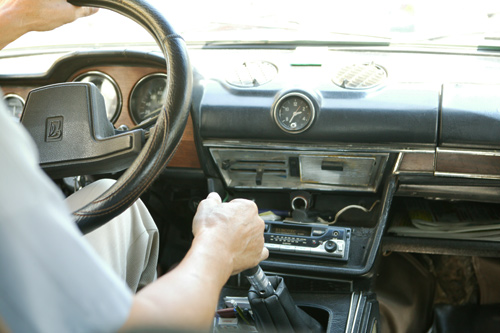
12 hours and $1300 later I was standing in Odessa, looking for a cab. A pushy cabby was very surprised when I did not want to ride in his clean BMW and chose a cheaper and dearer to my heart filthy Soviet-vintage car.

As far as hotels go, Ukraine is much more reasonable than Russia, but there are still no Marriott-like affordable and well-designed chains. There are overpriced hotels with decor that will burn your eyes out, cheaper, but scarier hotels, and apartments that you can rent which cover the gamut. Odessa has a population of about a million, but it swells to twice the size in the Summer season. Because of that there are thousands of very reasonably priced rental apartments with great amenities. Unfortunately I did not plan enough ahead, and ended up reserving a very cheap room in a brand new hotel Zirka that recently opened right in the center of the city.

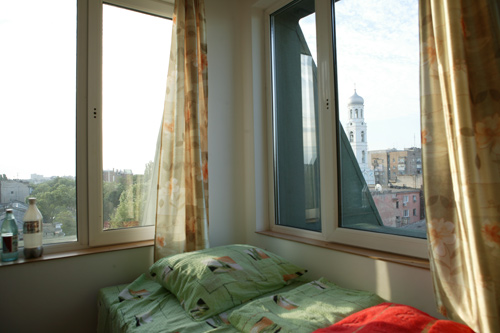
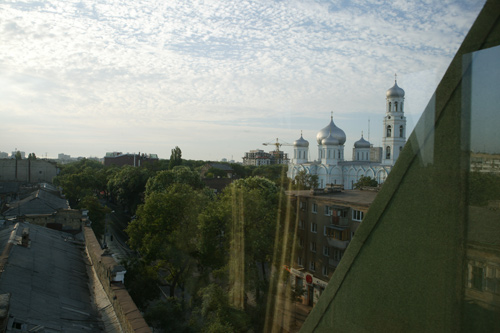
For a very reasonable $35/night I lived in a tiny-tiny, somewhat flimsily outfitted, but very clean room with a fully functioning shower, air conditioning and beautiful views, right in the historic center of Odessa.

The hotel was still being built when I lived there, and I herd later that it was becoming a bit notorious for renting the rooms at hourly rates.

As far as I'm concerned, you really can't beat their amenities, their location, and their prices. Also, the staff was very courteous and professional. It was very quiet there during my stay - but worst case scenario - you might overhear noisy sex, from which you are not guaranteed at almost any hotel.

It's hard to see on picture, but the towels had little dollar sign designs.

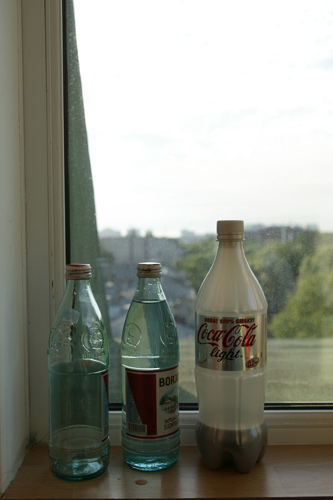
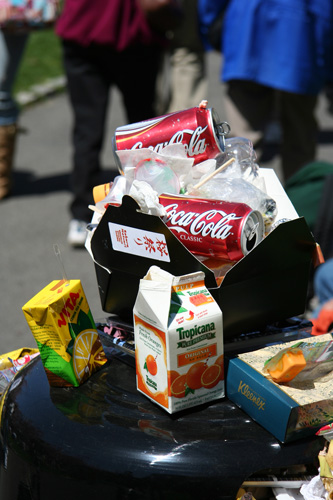
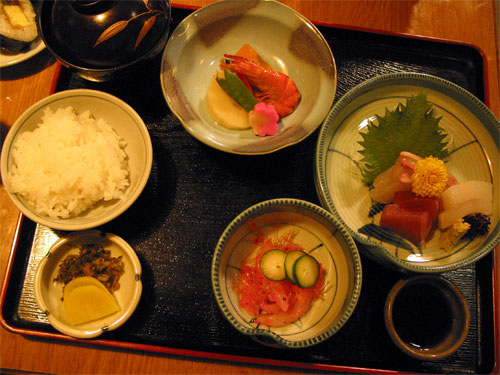
My hotel room reminded me very much of the affordable hotel room that I lived in in Japan, down to the picture of soft drinks that I took there.

In Odessa I mostly drank Borjomi, a Georgian mineral water. Borjomi, as far as I'm concerned is the tastiest mineral water in the world.

Odessa has its own mineral water, Kuyalnik, but it's not sold in restaurants for some reason. I found a few bottles in a convenience store closer to the end of my stay. More about Kuyalnik later - I have a very special connection to it.

Apparently in Europe Diet Coke is marketed as Coca Cola Light, is sold in frosted bottles, and as far as I can tell, in a different formulation. It did taste different, and I know my cokes.

I quickly unpacked, grabbed my camera and went for a walk.

You really can't enter the same river twice. I left Odessa when the Soviet Union was still intact. When I came back, a lot of things stayed the same.
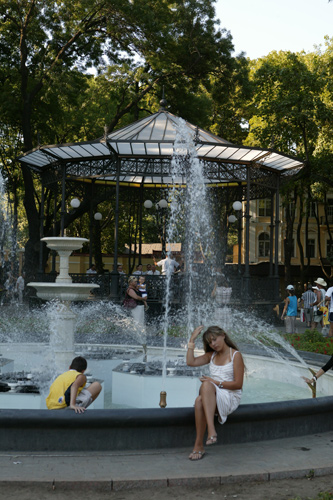
There's still a fountain in the City Square, the live band is still playing on Sundays and the pairs still dance.

Acacia trees, the most common plant and the symbol of Odessa, are still filling the city with the aroma and sidewalks with their yellow flowers. Cleaning ladies (and men) still sweep the sidewalks with brooms made out of small branches. I brought a small jar with acacia blooms with me - the smell of nostalgia.
Remember that ethnic markup that I described earlier on? Well, somehow that mixing of genes resulted in the hottest women on the planet. Odessa is still the city of super hot women. This brings a large contingent of sex tourists and mail order (in this case - cash and carry) bride seekers. I was approached (probably because I was typing away on a laptop) by a most distressed gentlemen in a cafe: he could not get online. His hands were shaking. I fixed some gnarly windows crud setup options and wi-fi started working. All he cared about was getting to a dating site, and when it loaded, his hands finally stopped shaking.

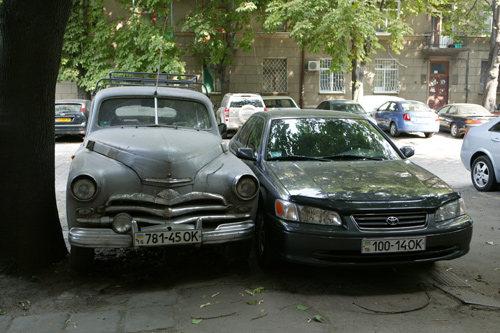
Things have changed though. Odessa took on some qualities of Havana, Cuba. Historic buildings are deteriorating, old cars are kept alive way past what's reasonable.

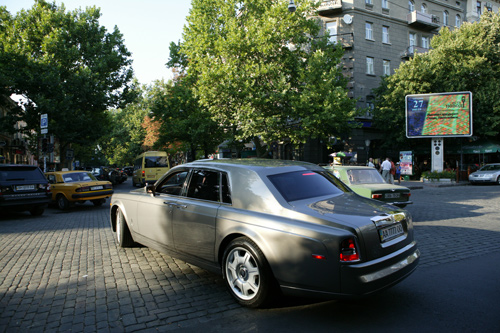
It's not like Havana because people seem to prosper. Even the pensioners do not go hungry, there is a lot of new construction, and the rich are really, really rich. I've seen just about every expensive car I know in the streets, except maybe a Maybach.

A few things about the new Ukrainian economy. The salaries are paid in US dollars, but dollars are not accepted anywhere. You can easily exchange them into hryvnas and back very easily, and the rate is somehow kept at about 5 to 1, without even having to shop around for a rate.

Real estate is amazingly expensive: for instance the apartment that my parents sold for something like $5K costs about $500K. At the same time the mortgage industry is almost non-existent.

I'm told that the government officials are amazingly corrupt, and they constitute a major portion of the upper crust. A police captain can easily become a multimillionaire, and so can just about any government bureaucrat. There's a practice of "otkat" - kickback from a government project is rampant. High ranking policemen and bureaucrats are almost outside the law, like in India.

At the same time, even with all the corruption and bribery, the economy is pretty healthy, even without Russia's oil.

Price-wise Odessa is not the bargain that it once was. For most things I'd estimate the cost of living at about 60-70% of Brooklyn prices. Food and rent is pretty cheap, but electronics, clothing and cars are more expensive. In particular, cars are taxed so much that they cost about 2 to 3 times more than in the US, which makes all those Rollses that I've seen even more impressive, and explain the Soviet-era cars.

Sutyagin's Moving Castle or Ruskyscraper

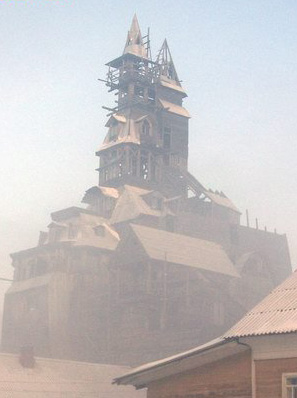
Slowly but steadily making my way through all of the Studio Ghibli films, I recently watched Howl's Moving Castle. It made me remember the wooden skyscraper in Archangelsk I wrote about before.

Apparently the skyscraper is still standing, although it looks like it has deteriorated significantly. I cleaned removed the old broken links from my old article about it and got permission from Nikolai Gernet aka nixette to use one of his photos. Archangelsk has a rich history of wooden architecture and nixette has more photos here and here as well as many other interesting pictures from Archangelsk and of Sutiagin's wooden skyscraper in particular.

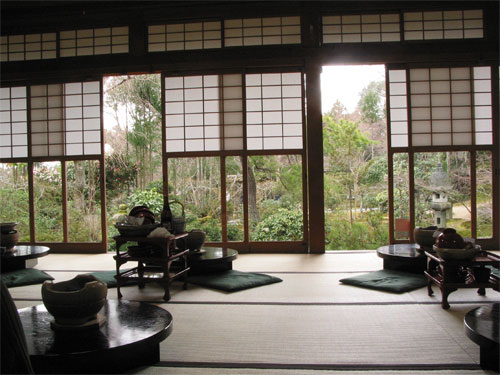
It's interesting to note that both Russia and Japan have a rich tradition of wooden architecture.

Sutiagin's Wooden SkyscraperHowl's Moving Castle

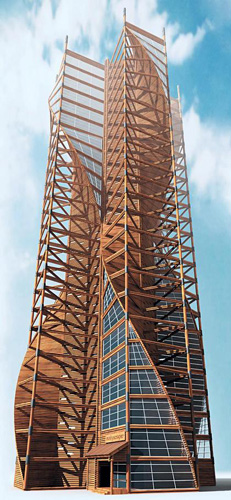
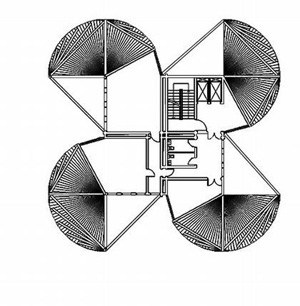
While looking for info about this, I found another gem: the conceptual design called Ruskyscraper by Eugene Staune who works for Arhitekturium architectural firm. It's supposed to have 25 stories of 10.8ft each made primarily out of wood and glass. The articles describe it as economical, but I really doubt that-- if there's anything that I've learned from watching The New Yankee Workshop, wood can be very expensive. This project would probably use laminated engineered lumber, so I guess it could be doable.

The floor plan seems to be rather wasteful, but hey, this is a concept design, not something that is probably going to be built.


Syndicate content

Unpaid ads:

Learn about business at FastCompany and Inc magazines.

Stackoverflow is the most addictive developer's resource. Go check it out now! I use it myself, and I got to tell ya, they don't call it "crack overflow" for nothing.

Joel helped me find my current job. Check out the Joel on Software job board if you are not happy with yours.

WestNIC provides reliable reseller hosting services across the globe.

Evernote is the best code, memo, photo, todo, wishlist application I've ever used. Mad props for making Memex real.

A group of excellent web developers

More Unpaid Ads:

Jesse Reklaw's Slow Wave comics absolutely rock!. Jesse designed Deadprogrammer.com corner graphic, the one with the programmer and the cat. And now you can buy his new book - The Night of Your life:

Dust and Rust - a pretty good New York photoblog.


What's All this Then?

My name is Michael Krakovskiy, and this is my blog.

Here's what you might find interesting:
100 Views of the Empire State Building project: I try to take 100 interesting photos of Manhattan's (sadly) tallest building.

My Gastronomic Adventures: I eat weird food - from 13 year old New Coke to Durian and parasitic fungi.

My attempts to grow exotic plants: pineapples, coconuts, etc.

My photos, mostly of New York City.

My musings about architecture mostly illustrated with my own photos. Would you like to learn about a mental patient who died at 103 who served as a model for some very famous sculptures? How about Brooklyn's ugliest building? How about a wooden skyscraper?

I find myself frequently writing about logos. The most popular article I ever wrote is about the redesigns of the Starbucks logo.

I wrote a series of "Best Sci-Fi You Haven't Read" posts:

Psywarrior
Yes, Virginia There Is Synergy
Call Time Police - We've Got a Time Traveler

Other topics that interest me include NYPD, New York City subway system, Japan, and things made out of titanium. On top of all of that, I seem to be interested in pigeions and Rupert Murdoch.

Dear reader, please browse around. You are sure to find something interesting. I could really use some help in bringing in readership: subscribe to the rss feed, digg the stories (there's a convenient button at the bottom of every article), link to my blog from yours, write some comments. I put in a lot of effort into writing, and I really appreciate your attention.

If you don't want all this pseudo-intellectual bullshit and want some lolcats? Please don't go away. Here, I have that stuff too. Here, here's another. And another. And another. I lied about not posting cat pictures.

    follow me on Twitter